Customer Support
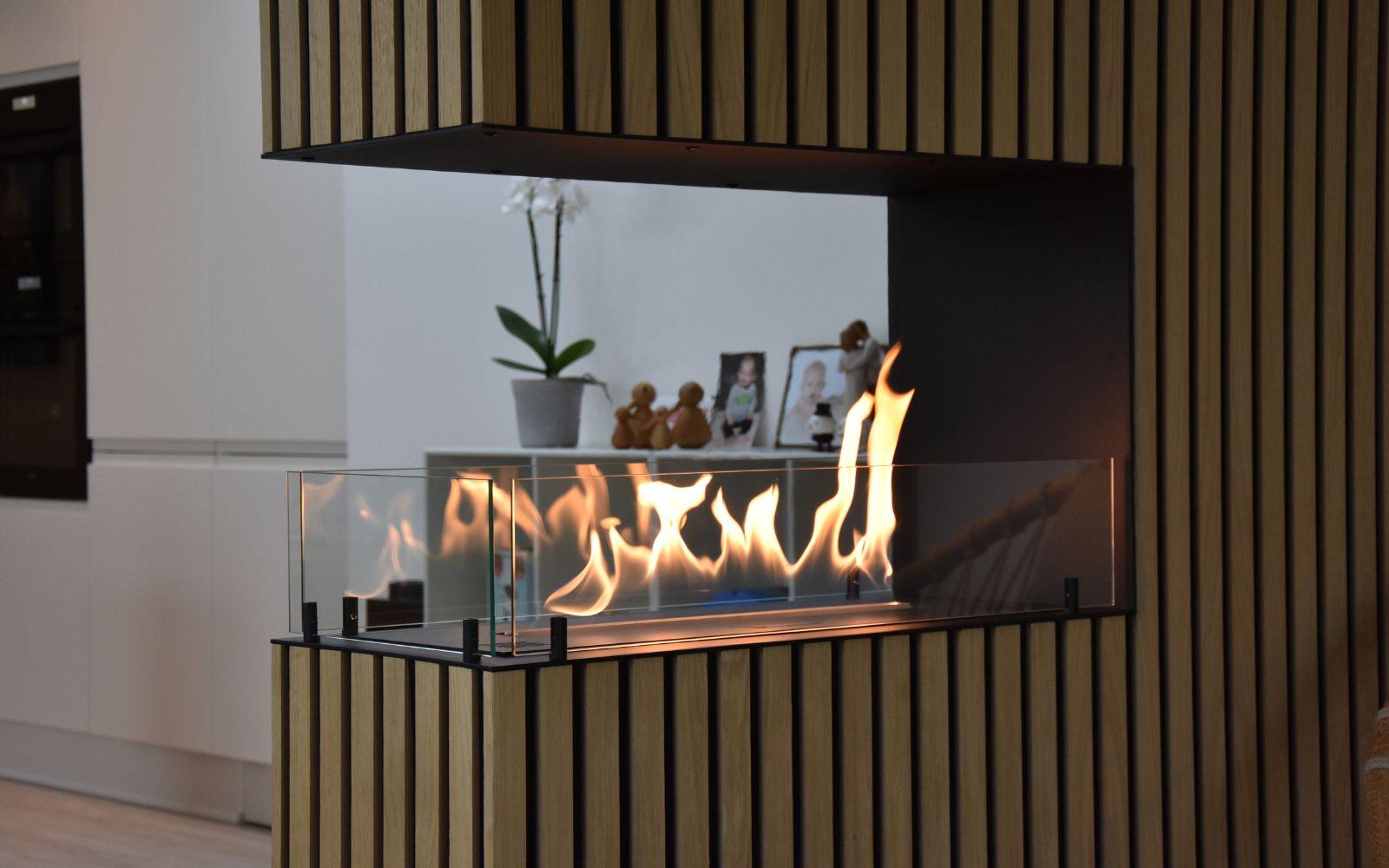
Bioethanol fireplaces are becoming increasingly popular as a modern alternative to traditional fireplaces. They generate clean, smoke-free heat, creating a warm and inviting atmosphere, particularly appreciated during colder months. For many people looking for a more eco-friendly and convenient way to heat their homes, bioethanol fireplaces represent an attractive choice. In this guide, we will examine the main advantages and disadvantages of this heating source.
One of the main attractive features of bioethanol fireplaces is that they produce real flames. Unlike electric fireplaces, which only offer a simulated flame effect, bioethanol fireplaces have a real fire burning. This gives the room an authentic and cozy atmosphere, which many consider essential for well-being. The flames are generated by the combustion of bioethanol, a highly flammable fuel, stored in special containers inside the fireplace. A bioethanol fireplace can be easily lit with a long match or a lighter and burns until the fuel runs out or the fire is extinguished.

Unlike traditional fireplaces, which require a chimney to expel smoke and other harmful emissions, bioethanol fireplaces burn cleanly. This eliminates the need for a chimney, simplifying installation and increasing flexibility in placing the fireplace in the room. This advantage makes bioethanol fireplaces particularly attractive for apartments or houses where a chimney flue is not present or cannot be installed.
EXPERT ADVICE Our technical department is always available to offer you support, personalized advice, and answer all your questions.
👉 Click here to request a free consultation!
3. Versatility in placement
Since there is no need to evacuate combustion products, bioethanol fireplaces can be placed virtually anywhere in the home. Various models exist, including wall-mounted fireplaces, freestanding fireplaces, inserts, tabletop fireplaces, and built-in fireplaces. This versatility allows the fireplace to be placed exactly where desired, whether in the living room, bedroom, or even the bathroom. However, it is advisable to check the manufacturer's requirements before purchasing, as some models may have limitations and can only be used safely in certain locations.

Another great advantage of bioethanol fireplaces is their portability. Many models are lightweight and can be easily moved from one room to another. This allows you to enjoy the warmth and ambiance of the fireplace in different areas of the house, without being limited to a single installation location. This is particularly useful in smaller apartments or homes, where flexibility and space utilization are crucial.
Bioethanol burns extremely cleanly, meaning no harmful residues such as ash, soot, or smoke are produced during combustion. The only by-products are carbon dioxide and water vapor, which do not compromise indoor air quality. Manufacturers generally recommend using high-quality bioethanol to ensure optimal and clean combustion. This makes bioethanol fireplaces an ideal choice for those who value healthier indoor air.

Bioethanol fireplaces, burning only bioethanol, produce no residues like ash or other waste, as is the case with wood-burning stoves. This significantly reduces the need for cleaning and makes the fireplace easy to maintain. The only cleaning normally required is to collect any spilled fuel before lighting, to avoid safety risks.
Bioethanol fireplaces are generally very easy to use. Manual models only require filling the tank with fuel and lighting the flames with a match or lighter. Automatic and electric models offer even more convenience with automatic refilling and ignition via a button or remote control. This makes using a bioethanol fireplace extremely simple and practical.
Bioethanol is a fuel derived from biomass such as sugarcane, corn, or potatoes, and is therefore considered a renewable energy source. Bioethanol combustion produces fewer harmful emissions than fossil fuels or wood. Therefore, using a bioethanol fireplace can be considered a more ecological method to enjoy the experience of a real fire, without harming the environment.

Compared to traditional fireplaces, such as wood-burning stoves or gas fireplaces, bioethanol fireplaces are often cheaper to purchase. This makes them an attractive option for those seeking an economical yet elegant heating solution. Although operating costs can be higher (as explained below), lower purchase costs represent a clear advantage.
Many automatic bioethanol fireplaces can be remotely controlled, offering additional comfort. This is particularly practical if the fireplace is placed in hard-to-reach locations or if you want to control the flames and heat comfortably from the sofa. However, manual fireplaces do not offer this function, which should be considered at the time of purchase.
EXPERT ADVICE Our technical department is always available to offer you support, personalized advice, and answer all your questions.Although bioethanol fireplaces offer real flames, their heating power is relatively low compared to other fireplaces and stoves. They are generally not intended as a primary heat source, but rather as supplemental heating to warm specific rooms and create a cozy atmosphere. Those looking for an efficient heat source for larger spaces or as a primary heat source may not be satisfied with a bioethanol fireplace.
Since bioethanol fireplaces consume oxygen during the combustion process and release carbon dioxide, manufacturers often specify a minimum room size where the fireplace can be safely used. This is to ensure adequate ventilation for safe combustion and to prevent carbon dioxide buildup. Before purchasing a bioethanol fireplace, it is important to check the room size and ventilation to ensure safety.
While manual bioethanol fireplaces do not require an electrical connection to operate, automatic models generally require a power outlet. This can limit flexibility in placement and means that an electrical outlet is needed near the installation location. Furthermore, in the event of a power outage, automatic bioethanol fireplaces are not operational without an emergency power source.
The use of real flames always carries a certain safety risk. Although bioethanol burns cleanly, it remains a highly flammable fuel that must be handled with care. Any fuel spills must be cleaned up immediately, and the fireplace should only be used under supervision, especially in homes with children or pets.

Bioethanol fireplaces are designed specifically to burn bioethanol fuel. This means that other fuels such as wood or gas cannot be used. The fuel must generally be purchased from specialized retailers, and the quality should comply with the manufacturer's recommendations to ensure safe and efficient combustion.
Bioethanol is a highly flammable fuel, which requires special precautions in handling and storage. The fuel must be stored in a safe place and out of reach of children. When refilling the fireplace, it is important to be careful not to spill fuel and ensure that the fireplace is completely cooled before adding new ethanol.
The operating costs of bioethanol fireplaces can be higher compared to other heating sources. The price of bioethanol fuel can vary depending on quality and quantity, and since the fuel is consumed quickly, costs can increase over time. It is important to consider this aspect when planning your budget, especially if you plan to use the fireplace frequently.
For safety reasons, the fireplace must cool down completely before being refilled with bioethanol. If the fuel runs out during use, the fireplace cannot be refilled and lit immediately; one must wait until it has completely cooled down. This is another aspect to consider when using bioethanol fireplaces.

While most people appreciate the odorless combustion of bioethanol, some may miss the typical smell of a wood fire. A bioethanol fireplace offers real flames, but without the characteristic smell of smoke, which many associate with traditional fireplaces. For some, this could be a disadvantage, especially if they consider the smell of burning wood an integral part of the fireplace experience.
Bioethanol fireplaces are an elegant and eco-friendly way to bring real flames into your home without the complexity and burdens associated with traditional fireplaces. They are a flexible and simple solution, particularly suitable for apartments and homes without a chimney. However, it is important to be aware that bioethanol fireplaces are better suited as supplementary heating, and operating costs, due to the specific fuel, can be higher. Furthermore, they require particular attention when handling the highly flammable fuel.
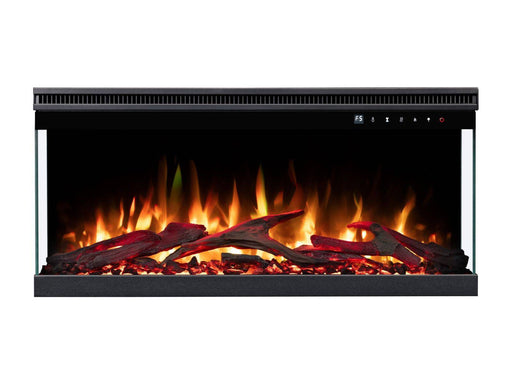
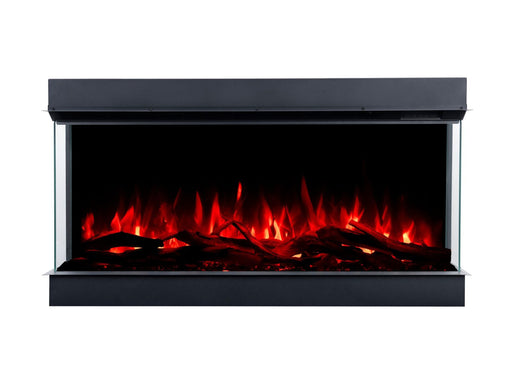
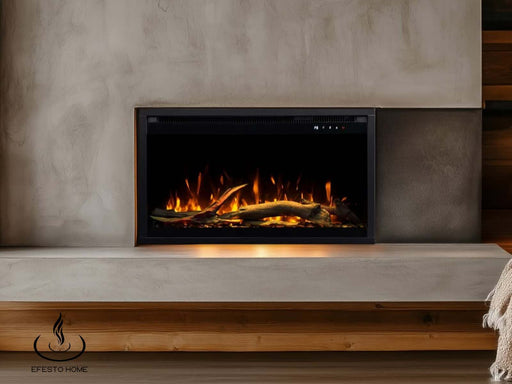
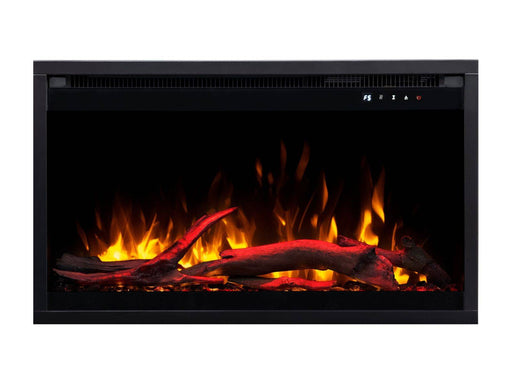
An interesting alternative to bioethanol fireplaces are modern electric fireplaces. Thanks to advanced technologies that create extremely realistic flame effects, electric fireplaces offer a safe, maintenance-free, and often more economical solution for enjoying the ambiance of a real fire. These fireplaces eliminate the risks and limitations of a real fire and only require an electrical outlet, making them particularly user-friendly.
In conclusion, both bioethanol and electric fireplaces offer valid opportunities to create the atmosphere of a fireplace in your home. The choice will depend on your individual needs and preferences.
If you don't have a chimney but want to buy a fireplace, visit Efesto Home to explore options or contact us at +39 0471 34 7234 or via email at info@efestohome.com.
We will be happy to advise you.
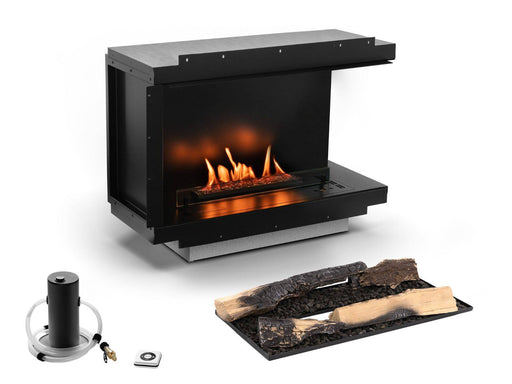
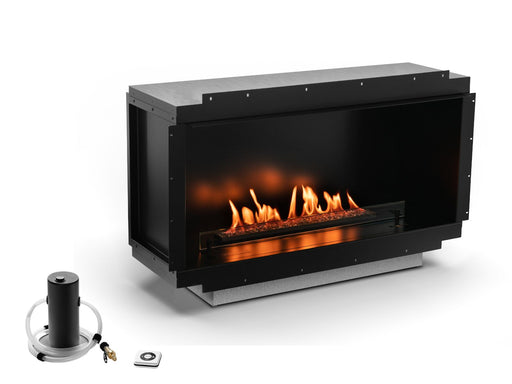
Description Planika Neo represents an innovative ethanol fireplace system, designed for built-in installation and customizable with a wide range of...
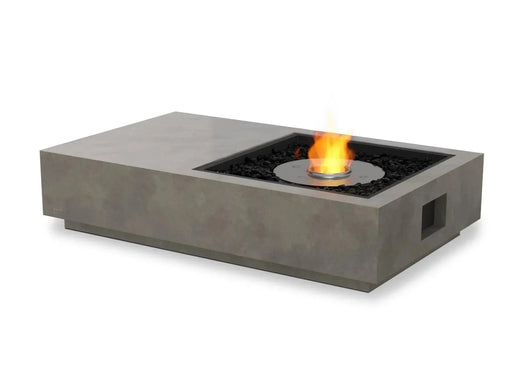
View full detailsDescription The name, not by chance, refers to one of the most exclusive cities in the world, where real estate prices are exorbitant and constantl...
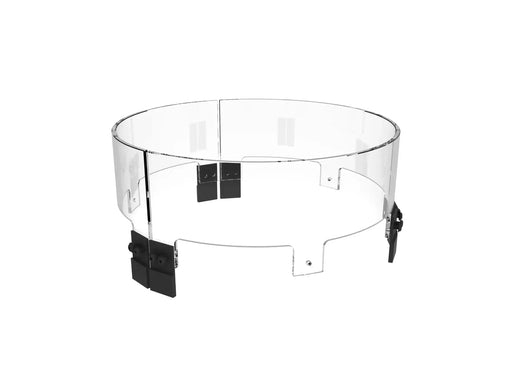
View full detailsDescription The protective glass helps to minimize the effects of wind on the flame and to reduce fuel consumption.Protective glass for model R530 ...
View full detailsDescription The protective glass helps minimize the effects of wind on the flame and reduce fuel consumption.Protective glass for model S500
DescriptionOutdoor fireplace with a simple and elegant shape.The MIX 850 is designed, combining the simplicity of an outdoor firepit with classic l...
View full detailsDescription With its realistic multi-colored flame effect, flexible control modes and ease of installation with multiple functions, the Aflamo elec...
View full detailsDescription Aflamo Royal Pro is a versatile and elegantly designed electric fireplace, created to add comfort and style to any room. With its compa...
View full detailsDescription Discover Unique PRO, the new generation of electric fireplaces that combines refined aesthetics with the most advanced technology for...
View full detailsDescription With its realistic multi-color flame effect, flexible control modes, and easy installation with multiple features, the Aflamo electric ...
View full detailsDescription AFLAMO INSERT 3D – The Versatile Insert for Old Fireplaces The AFLAMO INSERT 3D is the ideal solution to transform your space. This...
View full details