Customer Support
Electric water fireplaces create a three-dimensional, flickering flame effect that, thanks to the combination of ultrasonic nebulizers and LED lighting, is extraordinarily similar to a real fire — visible from every angle and astonishing even up close.
At Efesto Home, you’ll find a curated selection of built-in, wall-mounted, and freestanding models — designed for those seeking construction quality, realistic flames, and long-term reliability. We have direct experience with every product we offer: we have installed them in private homes, yachts, hotels, and commercial spaces throughout Italy, and we know what truly works in practice.
No smoke, no odor, no chimney required. The flame intensity is adjustable via remote control, while the ultrafine mist improves ambient humidity — making them ideal even for spaces with children or pets. Safe, silent, and CE certified, they work anywhere with a simple 230V electrical outlet.
No fuel, no building permits, no structural work.
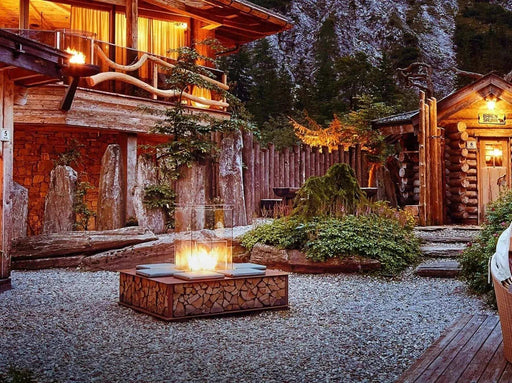
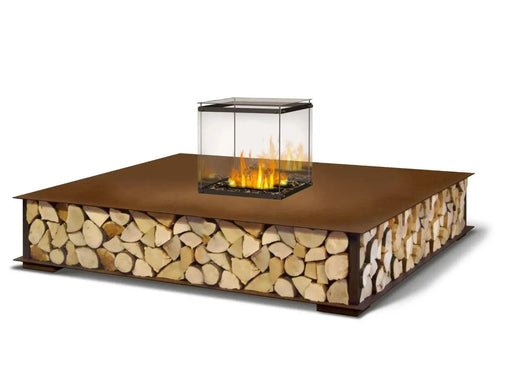
Description Bench is the perfect piece of furniture for those who want to create a cozy atmosphere in a simple way. With integrated effect fires, y...
View full detailsDescription Bench is the perfect furnishing accessory for those who want to create a welcoming environment simply. With the built-in effect fires,...
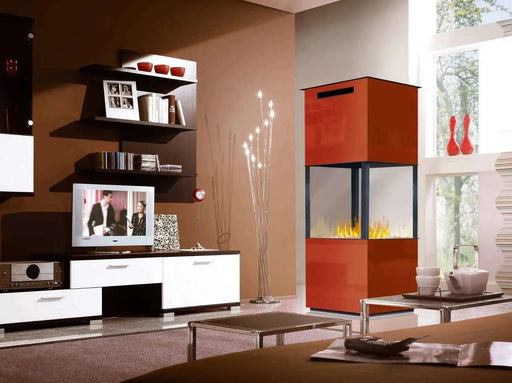
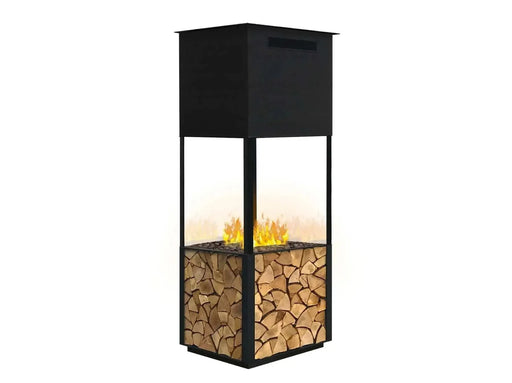
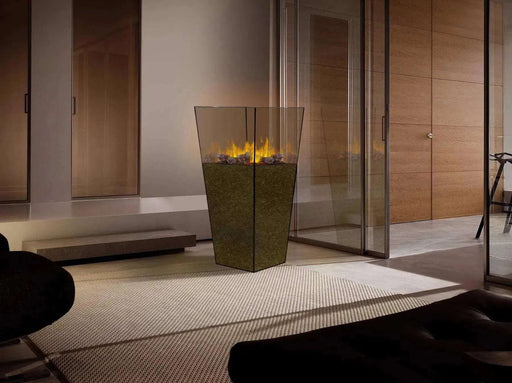
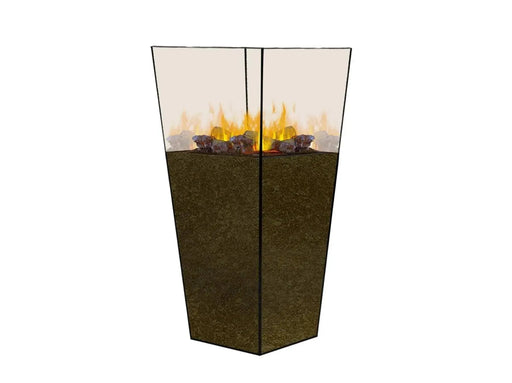
View full detailsDescription Tower is a unique piece of furniture that features integrated flame-effect fires in a sparkling steel look with real wood or black glas...
View full detailsDescriptionVase is an extraordinary and innovative product, suitable for adding warmth and ambiance to any space. It’s an impressive fire, a real e...
View full detailsDescription Hip LED fire effect brazier. A spectacular fake flame using only electricity and Bio-Fluid (distilled water), a combination of LED spot...
View full detailsDescription THE FLAME effect burners are designed as metal boxes with a top lid that allows access to the tank and technology. The removable tank s...
View full detailsDescription THE FLAME effect burners are designed as metal boxes with a top lid that allows access to the tank and technology. The removable tank s...
View full details
Inside the burner, there is an ultrasonic membrane that vibrates at a very high frequency, transforming water into a very fine mist of cold micro-particles. This mist rises upwards and is illuminated from below by high-CRI LEDs – the result is a three-dimensional flame that moves, sways, and changes color exactly like a real fire.
The mist is cold to the touch. There is no combustion; no heat is produced by the flame itself: only water and light. This means no risk of burns, no smoke, no odor. The fireplace can also operate in summer, solely for the visual effect, without heating the room. Many models also offer a separate heating function – up to 2 kW – which can be activated independently of the flame effect.
This is the first practical question to ask yourself before purchasing, and it depends on how you will use it.
Models with a manual tank have a removable container—typically 1.5 to 3 litres in capacity—which is filled with tap water or demineralized water. An autonomy of 8–12 hours per refill is standard. They are the ideal solution for private homes, where the fireplace is lit in the evening or on weekends.
Models with automatic water connection connect directly to the building's water supply via a flexible fitting. The water is filtered internally—the filter is replaced approximately once a year—and the tank remains constantly full without any intervention. This is the ideal choice for restaurants, hotels, spas, offices, and all those environments where the fireplace operates many hours a day and the convenience of not having to think about refilling makes a difference.

No masonry work, no chimney, no building permits. The wall-mounted and freestanding models plug into a standard 230V electrical outlet — they are operational in minutes.
Built-in models only require an opening in the wall, with no additional systems needed. An important detail to keep in mind: water vapor fireplaces require a small ventilation opening at the bottom of the compartment — without minimal air circulation, the mist produced by the membrane cannot rise properly, and the flame effect is compromised. This aspect should always be considered during the design phase.
Maintenance is minimal: the ultrasonic membrane should be cleaned approximately every six months to remove any limescale deposits. Using demineralized water — the same used for irons — significantly slows down this process. In the models we offer, the membrane is a replaceable component with spare parts available directly from the manufacturers.

Electric water fireplaces are particularly suitable for those who desire a realistic flame effect without requiring construction work, for environments with children or pets due to the complete absence of heat from the flame, and for contract spaces where aesthetics and ease of management make a difference. They are increasingly found in design hotels, restaurants, showrooms, and prestigious homes—environments where scenic effect is just as important as practicality.
If you have any doubts about which model best suits your space, we are available for a free consultation—via phone, WhatsApp, or email.